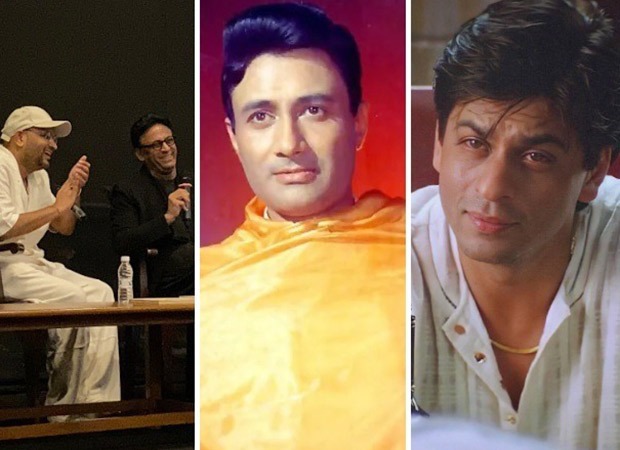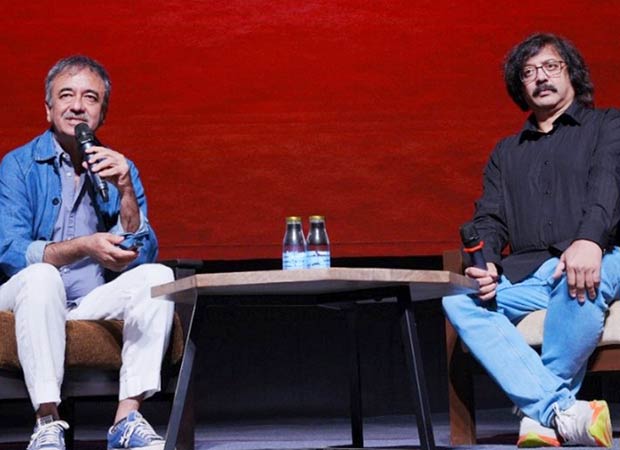
The Kala Academy Hall at IFFI buzzed with creative energy when filmmaker Rajkumar Hirani took the stage. What began as a masterclass quickly felt like a hands-on creative session—writers scribbled ideas, editors nodded in recognition, and cinephiles left visibly inspired.
“Film is Made on Two Tables — Writing and Editing”
Hirani kept the talk practical and grounded, sharing the principles that have shaped his films. He captured his approach in a line that stuck with the audience: “Writing is emotion imagined; editing is emotion experienced. The writer writes the first draft, the editor the last.”
Writing: emotion imagined
For Hirani, writing is the wide-open stage where everything is possible—actors are perfect, and constraints don’t exist. But a story only begins to breathe when a character truly wants something and faces conflict. “Theme is the soul of a film, while conflict is its oxygen,” he said, urging writers to root scenes in emotional truths rather than obvious exposition.
Editing: emotion experienced
With fondness for his first craft—editing—Hirani highlighted the editor’s quiet power. The basic unit may be the shot, he said, but changing its context can flip meaning entirely. An editor, he added, can shift audience emotion and even turn a story 180 degrees while remaining invisible to most viewers.
Draw from real life; shape it with craft
Hirani encouraged writers to mine everyday triggers—small, real moments that give a script authenticity. He stressed that exposition should flow naturally inside the drama, and that every scene should be led, subtly, by the film’s theme. He also reminded the crowd that strong antagonists matter: “Every character believes they are right,” and that opposing truths create the energy a story needs.
Abhijat Joshi: memory, humour and 3 Idiots
Screenwriter Abhijat Joshi joined Hirani on stage and reflected on how memory informs comedy and drama. He explained that many scenes that linger in people’s minds—whether funny, painful or surprising—are better when drawn from real experience. Joshi shared that several moments in 3 Idiots arose from such memories, from the electric-shock joke to small character quirks observed in life.
Simple rules for screenwriters
- Give every character a meaningful want.
- Let conflict drive the story—cinema thrives on tension.
- The strongest drama comes when two genuine truths collide.
What filmmakers took home
The masterclass left a clear message: storytelling is a craft of two halves. Write boldly, with real emotion and lived detail, then refine and reshape with the editor’s eye to make audiences feel the intended beat. For anyone in the room—writers, editors or fans—it was a reminder that great films live where honest writing and decisive editing meet.