Why Thamma feels fresh, not recycled
At first glance, Thamma looks like another modern retelling of ancient stories — gods, curses, rituals. But calling it a simple reuse of mythology sells the work short. What makes Thamma compelling is how it folds myth into the everyday, using legend as a lens to examine family, memory and power.
Myth as mirror, not blueprint
Instead of retelling a famous tale beat-for-beat, Thamma borrows motifs and emotions from mythology and repaints them in intimate, domestic colours. The supernatural elements feel lived-in, as if the characters grew up with the stories and now interpret them through their own hurts and hopes. That shift — from epic stage to kitchen table — changes everything.
Focus on the personal
Thamma foregrounds small, human moments: a grandmother’s stubbornness, a child’s quiet rebellion, a family’s awkward silences. These micro-dramas give the mythic references emotional weight. The result is a story that resonates whether or not you know the original legend — because the core is about people, not plot points.
Subverting expectations
Rather than glamorising gods or presenting moral certainties, Thamma thrives on ambiguity. Characters who might once have been one-dimensional in traditional myths are shown with flaws and contradictions. This approach undermines the “sacred vs. profane” binary and lets the audience empathise instead of worshipping or condemning.
Visual and sonic storytelling
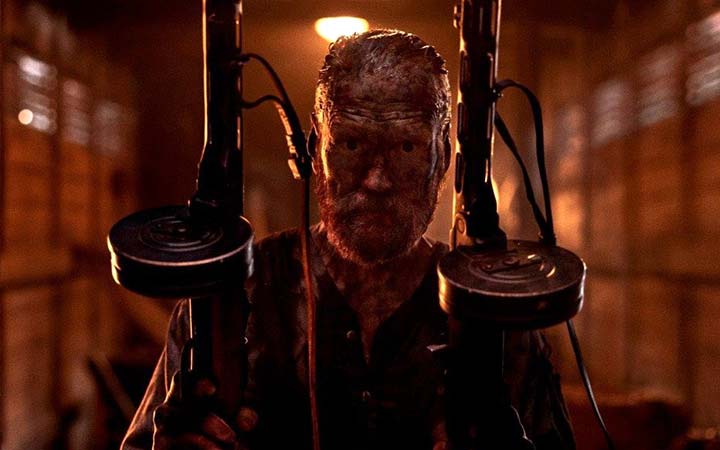
The film’s visuals and sound design play an important role in blending myth with reality. Recurrent motifs — a lamp, a song, a broken heirloom — act like breadcrumb trails between past and present. Music swells not to announce grandeur, but to underscore memory, creating moments that feel both ancient and immediate.
Why it matters for contemporary cinema
- It reframes heritage: Myths are treated as living culture, not museum pieces.
- It centres marginal voices: Elders, women and children drive the narrative, not legendary heroes.
- It invites interpretation: Ambiguity encourages conversation rather than offering tidy answers.
In an industry often tempted by spectacle, Thamma’s quieter, more thoughtful use of mythology is a welcome change. It proves that the old stories still matter — not because they’re copied exactly, but because they can be reshaped to reflect the messy, beautiful realities of modern life.