
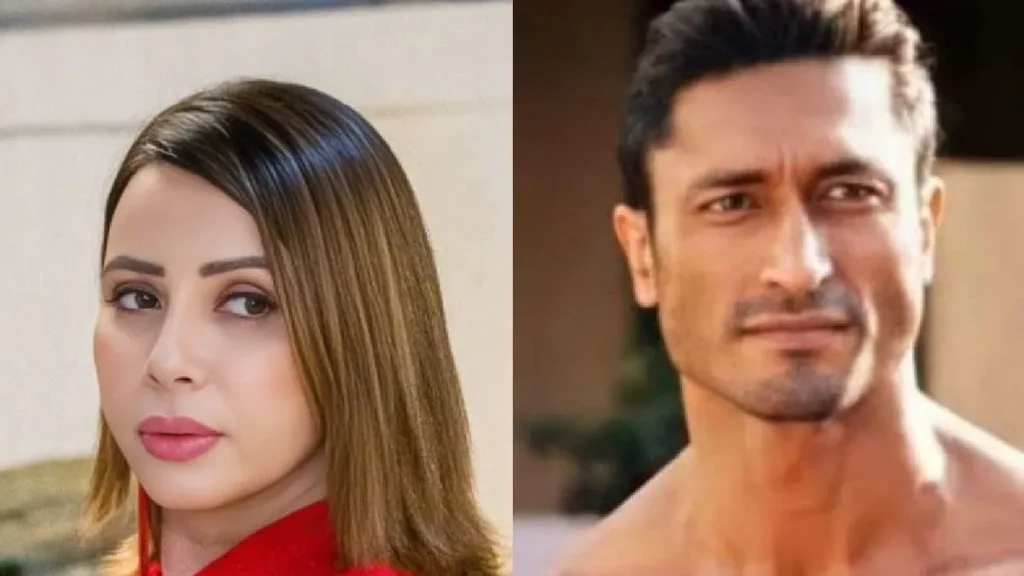
Vidyut Jammwal’s latest video — in which the star appears to climb a tree nude — has stirred a lively debate across social media and in entertainment circles. The clip, part personal expression and part conversation starter, has drawn praise, criticism and plenty of gossip. Among the responses, actress and model Rozlyn Khan voiced a sharp critique that added fuel to the conversation about nudity, fame and the growing influence of Sahaja-style practices in the Indian film world.
The video and the immediate reaction
The footage shows Vidyut moving through nature with a striking, unfiltered presence. Supporters say the clip captures vulnerability and a return to basics — a kind of artistic statement about freedom and body confidence. Critics, however, called it attention-seeking and questioned whether such displays belong in public-facing content shared by mainstream celebrities.
- Supportive voices praised the actor for challenging taboos and promoting body positivity.
- Critics argued the video crosses lines of public decency and caters to publicity rather than art.
- Neutral observers treated it as part of a larger trend where celebrities use personal rituals or spiritual practices to express themselves online.
Rozlyn Khan’s critique
Rozlyn Khan, known for being outspoken about morality and media, publicly criticized the stunt. Her remarks focused on the responsibilities that come with celebrity — especially when content is widely consumed by diverse audiences. Khan suggested that fame brings an added duty to consider cultural sensitivities and the message being sent to fans.
Her criticism quickly became part of the larger conversation, with supporters of Vidyut defending artistic freedom and others agreeing with Khan that visibility requires discretion.
Nudity, fame and public sensibilities
At the heart of the debate are competing ideas: nudity as legitimate artistic expression, and nudity as provocative publicity. India’s entertainment landscape has been negotiating these tensions for years. Public reactions often split along lines of age, cultural background and personal values.
Two core questions keep coming up:
- Is public nudity by a famous person a valid form of art or a bid for attention?
- How should celebrities balance personal expression with the expectations of a conservative audience?
Why this matters for stars
For celebrities, every public act feeds a brand. A bold move can strengthen a persona of fearlessness, but it can also alienate fans and invite regulatory scrutiny. The Vidyut video highlights how a single moment can spark wide debate about taste, intent and the limits of personal freedom in a public role.
Sahaja practice and the new spiritual vocabulary of showbiz
The clip also intersects with another trend: Sahaja-style practices and their visual language. “Sahaja” broadly refers to natural, spontaneous states of being and can be linked to meditation or spiritual simplicity in many creative circles. Some viewers interpreted Vidyut’s act as a Sahaja-inspired return to nature — a symbolic shedding of ego and artifice.
Within the entertainment industry, such spiritual framing has become common. Celebrities often use meditation, yoga or spiritual routines as part of their public narrative. This can make unconventional acts feel like authentic self-care to some, while to others it can seem like a convenient justification for provocative content.
Reactions across the industry and audiences
Responses to the video show how fractured public taste has become. Important takeaways:
- Many fans applauded the boldness and the message of freedom.
- Some colleagues and commentators questioned the timing and intent.
- Conversations about consent, influence and cultural sensitivity resurfaced, reminding everyone that celebrity actions have wide ripple effects.
What this means going forward
Vidyut Jammwal’s video is another reminder that celebrities operate in a complex cultural ecosystem. When personal expression goes public, it invites interpretation, debate and sometimes backlash. Whether this sparks constructive conversations about body autonomy and art, or simply fuels click-driven controversy, depends a lot on how the parties involved respond.
For the audience, the episode raises familiar choices: to celebrate experimentation, to demand accountability, or to strike a middle ground that respects both artistic freedom and social responsibility.
Final thought
The clip accomplishes what many viral moments do best: it gets people talking. As the debate widens — crossing lines between art, spirituality and celebrity culture — it also forces a larger question: how should public figures balance personal truth with public impact? In the age of instant sharing, that question will keep coming up.


