
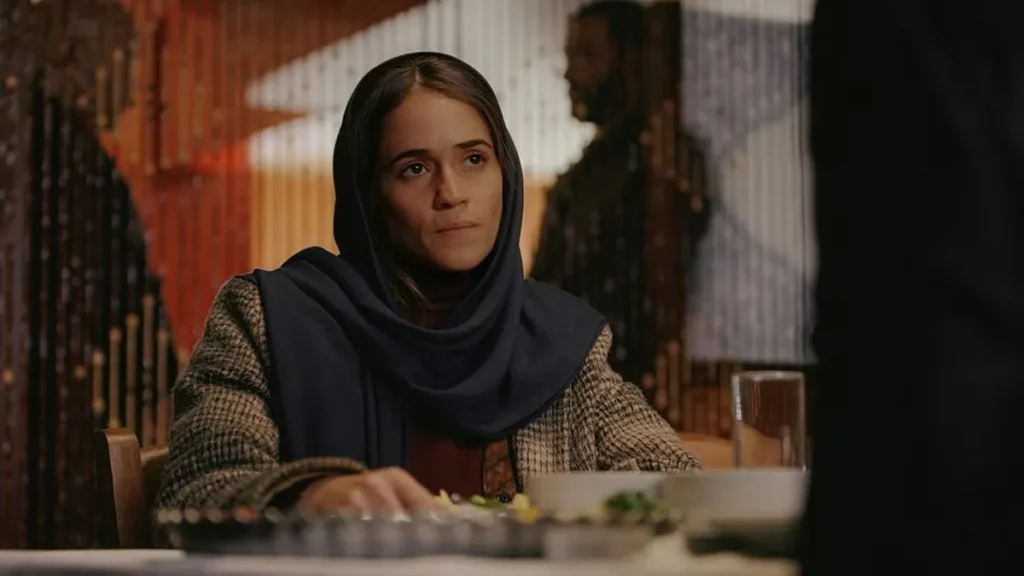
The third season of Tehran on Apple TV returns to the high-stakes world of espionage, this time sharpening its focus on cyberwarfare, divided loyalties and the widening political fault lines that reach far beyond Iran’s borders. If you enjoyed the tense cat-and-mouse of earlier seasons, Season 3 promises more of the moral complexity and pulse‑quickening suspense that made the show a must-see for spy-thriller fans.
What Season 3 continues
At its core, Season 3 keeps building on the Mossad cyberespionage storyline that has driven the series so far. The narrative moves between covert digital operations and very human costs — families, friendships, and alliances that bend or break under pressure. The show balances high-tech sabotage and surveillance with intimate moments of doubt, making the danger feel both global and deeply personal.
Key elements viewers can expect
- Cyberwarfare and espionage: Technical gambits and online operations are central, with the series treating cyber tools as lethal and consequential as any weapon.
- Shifting loyalties: Characters are forced to choose between duty, survival, and conscience, often in morally grey situations.
- Escalating stakes: Operations have broader political ripple effects, increasing danger for operatives and civilians alike.
- Global reach: While Tehran remains a focal point, the action spills into international arenas, showing how local conflicts connect to wider geopolitical tensions.
Themes: loyalty, danger and political tension
Season 3 leans into themes that resonate beyond the spy genre. Loyalty is not simply about allegiance to an agency; it becomes a question of identity and survival. Danger is omnipresent, not only from missions gone wrong but from surveillance, betrayals, and the uncertainty of whom to trust. Political tensions weave through every scene, reminding viewers that espionage dramas reflect real-world anxieties about power, influence and technology.
The show’s treatment of these themes is thoughtful rather than sensational. It asks tough questions: What happens when personal ethics clash with orders? How far will people go for the greater good — or for those they love? These dilemmas give the season an emotional weight that complements its technical thrills.
Setting and atmosphere: Tehran — close and remote
One of Tehran’s strengths is its ability to make viewers feel the city’s textures while also conveying its isolation in a dangerous world. Season 3 continues this approach, juxtaposing crowded urban life with clandestine, lonely operations carried out in shadows and behind screens. The series captures a sense of place while illustrating how surveillance and cyber operations can erase borders and make any location vulnerable.
Visual and storytelling tone
- Grittier, intimate camerawork to heighten tension and make moments feel immediate.
- A measured pace that builds suspense without losing the emotional core.
- Scenes that mix technical exposition with human consequences, so audiences understand the stakes without getting lost in jargon.
Why the show still matters
In an era where cyberattacks and information warfare are front-page news, Tehran’s focus feels particularly timely. The show doesn’t just thrill — it prompts reflection about how modern conflicts are fought and who pays the price. For viewers who like intelligent thrillers that respect their audience, Season 3 delivers both entertainment and food for thought.
Who should watch
- Fans of tense spy dramas and political thrillers.
- Viewers interested in stories about technology, surveillance, and modern conflict.
- Anyone who appreciates character-driven plots where moral choices are as central as action set pieces.
Final take
Tehran Season 3 on Apple TV continues to be a gripping study of espionage in the digital age. It blends smart storytelling with emotional stakes, exploring loyalty and danger against a backdrop of growing political tension. Whether you come for the cyber games or the human drama, this season aims to keep you on edge — and thinking long after the credits roll.


