
Tere Ishk Mein — final scene explained
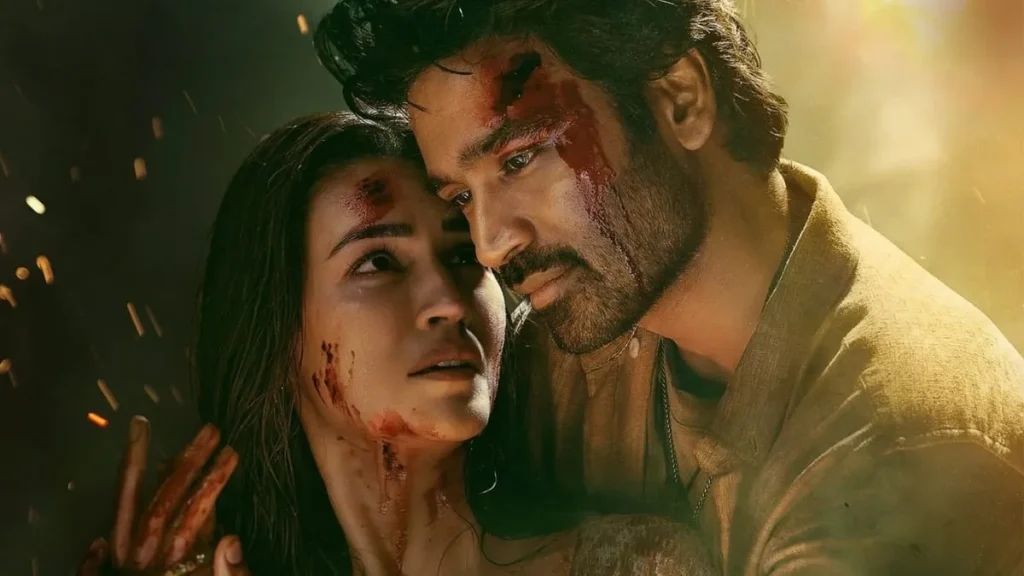
The film closes on a quietly emotional note that leans more toward bittersweet than outright tragic or celebratory. In the last scene, Shankar (Dhanush) and Mukti (Kriti Sanon) confront the consequences of their choices, and the movie gives us a gentle, reflective farewell rather than a tidy romantic reunion.
What happens in the last scene?
- Shankar and Mukti share a final conversation where they acknowledge what they meant to each other and why they can’t simply continue as before.
- The scene centers on small gestures — a lingering look, a half-smile, and a deliberate act of letting go rather than a dramatic declaration.
- Instead of a conventional happy-ever-after kiss or a heartbreaking breakup, the film ends with both characters walking away in different directions, but with a sense of acceptance.
Happy or sad ending?
The ending is best described as bittersweet. It’s not a tragic finale — both characters survive their emotional turmoil and appear to find individual closure. It’s also not a fairy-tale reunion. Viewers leave with mixed emotions: sad that the romance doesn’t continue in the usual way, but satisfied that both Shankar and Mukti have grown and chosen paths that feel true to them.
What the final moments mean
- Growth over possession: The film prioritizes personal growth and dignity over holding onto a relationship that might harm either person’s future.
- Hope, not despair: The last shot suggests possibility — life goes on, and each character carries lessons rather than bitterness.
- Audience takeaway: The ending invites viewers to reflect on love that transforms rather than completes, a tone typical of Aanand L. Rai’s more mature romances.
In short, Tere Ishk Mein closes on a thoughtful, emotionally honest note: Shankar and Mukti don’t get a conventional happy ending together, but they do find a kind of peace. It’s a finale that stays with you — quietly poignant, and open to interpretation.


