
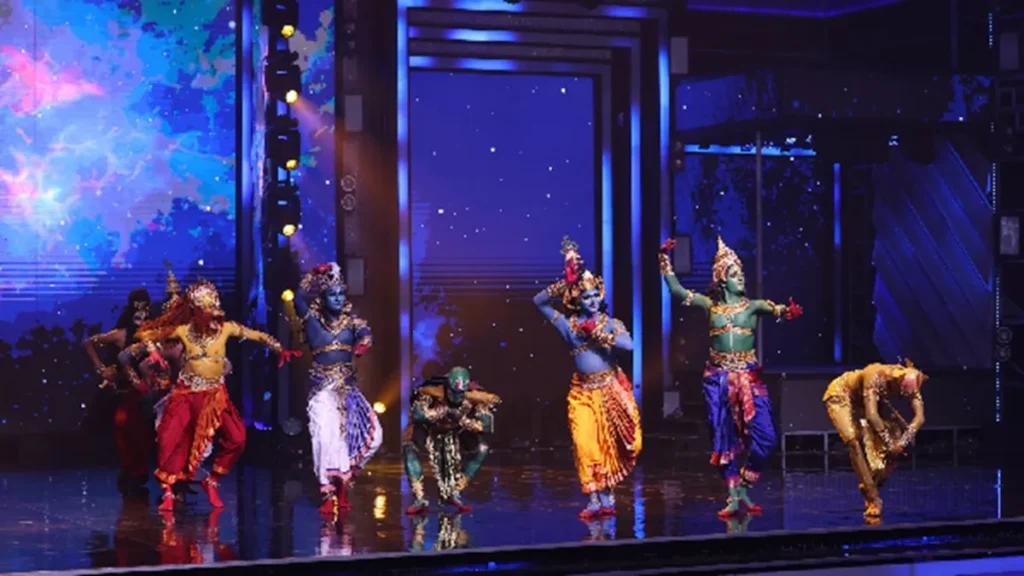
The Rainbow Dance Crew is gearing up for a show-stopping performance on the next episode of India’s Got Talent. Their planned Dashavataar act promises a seamless mix of myth, movement and striking visuals that bring ancient legends to the stage with modern energy.
What to expect from the Dashavataar act
The group will portray the Dashavataar — the ten avatars from Hindu mythology — through tightly choreographed sequences. Expect crisp formations, expressive storytelling and costume work that shifts quickly to reflect each avatar’s mood and meaning.
Highlights
- Bold, cinematic staging that blends tradition and contemporary dance.
- Emotional beats that focus on character-driven moments rather than just technical moves.
- Visual transitions designed to make each avatar instantly recognizable.
How they bring mythology to life
Rainbow Dance Crew aims to translate complex stories into clear, impactful scenes — using body language, props and music to convey themes like protection, dharma and renewal. This kind of performance asks viewers to connect with familiar myths in a fresh way.
The Dashavataar in context
The traditional Dashavataar refers to ten incarnations associated with Lord Vishnu — including Matsya, Kurma, Varaha, Narasimha, Vamana, Parashurama, Rama, Krishna, Buddha (or Balarama in some traditions) and Kalki. The crew’s challenge will be to capture the essence of each avatar within a limited stage time.
Why this matters on India’s Got Talent
Audiences often respond strongly to performances that mix cultural roots with inventive choreography. If Rainbow Dance Crew balances authenticity with stagecraft, their Dashavataar act could become one of the most talked-about moments of the season — a respectful, modern retelling of stories that are part of India’s shared heritage.
Catch the episode to see whether the crew’s blend of precision, emotion and visual impact wins over the judges and viewers alike.


