
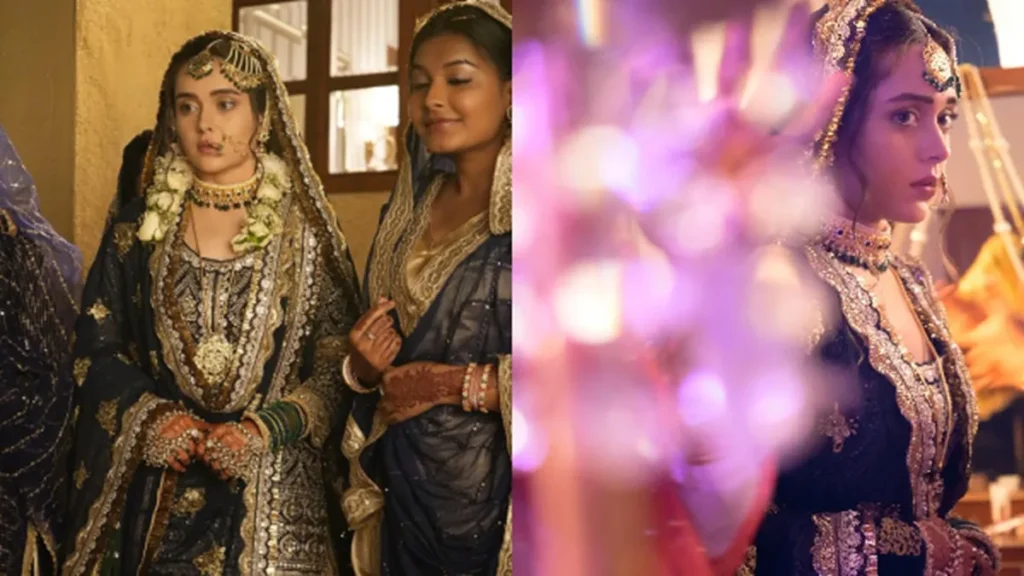
Lights, mehendi and a nikaah she never chose
The stage is set in the latest twist on COLORS’ drama Seher Hone Ko Hai: the lights glow, the mehendi is fresh on hands and the guests have gathered—yet the celebration is anything but joyful for Seher. Played by Rishita Kothari, Seher finds herself pushed into a nikaah she never chose, and the episode turns a traditional wedding scene into a tense spotlight on consent and family pressure.
Wedding visuals, emotional undercurrent
On screen, the familiar elements of a big Indian wedding—bright decor, rituals, music—contrast sharply with the heavy atmosphere around Seher. The camera lingers on small details: nervous hands, exchanged looks, and the silence that follows expected smiles. This is a wedding built on pressure, not choice, and the makers make that emotional dissonance clear through visuals and performances.
Seher’s dilemma
Seher’s predicament is simple but powerful: surrounded by relatives and rituals, she must navigate a life-changing decision she hasn’t freely made. The show highlights how cultural expectations and family demands can override an individual’s wishes, especially in moments that are supposed to mark new beginnings.
Rishita Kothari brings depth to a difficult role
Rishita Kothari’s portrayal of Seher anchors the episode. She conveys the inner conflict with subtle expressions—fear, resignation and the flicker of defiance—making viewers feel the pressure Seher faces. It’s a performance that relies on nuance rather than melodrama, allowing the audience to empathize with her struggle.
More than drama: a social conversation
Seher Hone Ko Hai uses this wedding episode to ask bigger questions about choice, agency and tradition. By placing a coerced nikaah at the center of a wedding spectacle, the show prompts viewers to consider how rituals can hide uncomfortable realities. These scenes resonate beyond television: they tap into ongoing conversations about consent and the right to choose one’s partner.
What the episode does well
- Highlights contrast: The festive setting versus Seher’s inner turmoil is striking and effective.
- Character focus: The storytelling stays centered on Seher’s feelings rather than getting lost in side plots.
- Real emotions: Performances feel lived-in, making the moral dilemma believable.
What viewers can expect next
Following a forced nikaah, the show is likely to explore fallout within the family, Seher’s choices going forward, and how the man at the center of the nikaah reacts. Expect tense confrontations, emotional confrontations and decisions that will test relationships and loyalties. Seher’s path could inspire viewers who want to see a heroine reclaim agency, or it may lead to further complications—either way, the narrative is set up for gripping drama.
Why the episode is getting attention
The combination of a high-stakes wedding and a topical issue makes this sequence one of the more talked-about moments of the series. It’s not just a plot device; it’s a conversation starter. Audiences who follow Seher Hone Ko Hai are drawn in by the show’s willingness to portray difficult choices and by Rishita Kothari’s convincing performance as a woman caught between duty and desire.
Final thoughts
The wedding episode of Seher Hone Ko Hai proves that even familiar TV tropes—bright celebrations, family gatherings, ritual moments—can be used to tell urgent stories. With Seher pushed into a nikaah she didn’t choose, the show balances emotional storytelling with social commentary, making this episode both watchable and thought-provoking. For viewers invested in character-driven drama, this chapter is sure to leave an impression.


